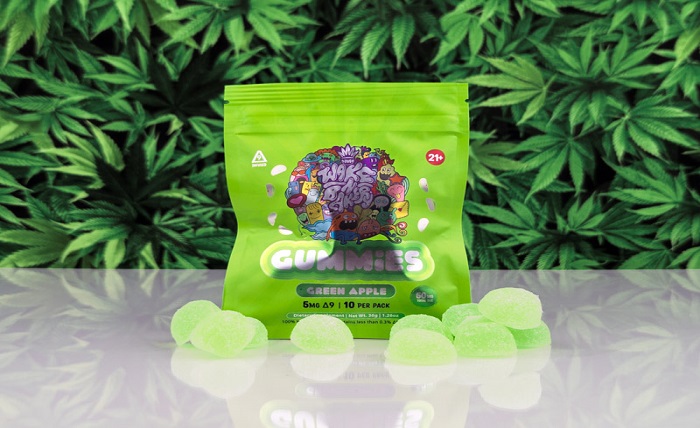
As cannabis products become more mainstream, many people are exploring different ways to incorporate them into their lifestyles. One of the most popular methods is through THC gummies. These edibles are praised for their convenience, precise dosing, and ability to provide a controlled, longer-lasting effect. However, as with any substance, there can be potential side effects, including the question: can THC gummies cause chest pain?
In this article, we’ll explore the potential risks and effects of THC gummies, particularly focusing on how they may lead to chest pain. While the risk of severe side effects is generally low, it’s essential to understand how THC works in the body and what could lead to discomfort.
Understanding THC and How It Works
Tetrahydrocannabinol, or THC, is the psychoactive compound in cannabis responsible for the “high” that users experience. THC interacts with the body’s endocannabinoid system, which plays a role in regulating various functions such as mood, pain, appetite, and memory. When consumed, THC binds to receptors in the brain and nervous system, producing a variety of effects.
THC gummies are a popular form of cannabis edibles because they are discreet, easy to dose, and provide a slower onset of effects compared to smoking or vaping. However, because THC gummies must be digested, it can take anywhere from 30 minutes to two hours for the full effects to be felt, and the effects tend to last much longer.
Can THC Gummies Cause Chest Pain?
Chest pain after consuming THC gummies isn’t common, but it’s not impossible either. There are several potential reasons why someone might experience chest discomfort or pain after consuming THC gummies:
1. Increased Heart Rate (Tachycardia)
One of the most well-known effects of THC is an increase in heart rate. This is called tachycardia, and it can occur shortly after consuming cannabis. The increase in heart rate is typically mild, but for some individuals, it can lead to feelings of discomfort, including chest pain. This effect is more likely to occur in those who are new to THC or consume a higher dose than they’re used to.
While tachycardia is usually temporary and harmless in healthy individuals, it can be more concerning for those with pre-existing heart conditions. If you have a history of heart disease or are at risk, it’s crucial to consult a healthcare professional before using THC gummies.
2. Anxiety and Panic Attacks
Another potential reason for chest pain after consuming THC gummies is anxiety. THC can sometimes trigger feelings of anxiety or paranoia, especially in higher doses. For some people, this anxiety manifests physically, leading to symptoms like chest tightness or even chest pain. This is often a result of a panic attack, which can be scary but is generally not life-threatening.
If you’re prone to anxiety, it’s a good idea to start with a low dose of THC gummies and see how your body reacts. In many cases, the anxiety will subside as the effects of the THC wear off, but it’s still important to be cautious and mindful of your body’s signals.
3. Gastroesophageal Reflux Disease (GERD)
THC gummies, like other cannabis products, may contribute to the relaxation of the lower esophageal sphincter, which is the valve that separates the stomach from the esophagus. When this sphincter relaxes too much, it can allow stomach acid to flow back up into the esophagus, leading to acid reflux.
For individuals with GERD (gastroesophageal reflux disease), THC gummies may exacerbate symptoms like chest pain, heartburn, and indigestion. If you have a history of acid reflux or GERD, you might want to avoid THC edibles or speak with your doctor before using them.
4. Dehydration
Cannabis, including THC, can cause dry mouth and dehydration. In some cases, dehydration can lead to physical discomfort, including chest pain. When the body is dehydrated, it can cause the muscles to cramp, which could lead to chest tightness or discomfort. It’s essential to drink plenty of water before and after consuming THC gummies to stay hydrated.
5. Interaction with Other Medications
If you are taking medications for conditions like heart disease, high blood pressure, or anxiety, it’s important to consider potential interactions between THC and your prescriptions. THC can affect the metabolism of certain medications, potentially leading to increased effects or side effects, including chest discomfort. Always consult with your doctor before combining THC gummies with other medications, especially if you are taking heart-related prescriptions.
What to Do If You Experience Chest Pain After Taking THC Gummies
If you experience chest pain after consuming THC gummies, it’s essential to assess your symptoms and determine whether they might be related to the cannabis consumption. Here are some steps you can take:
- Stay Calm: Anxiety and panic attacks can cause chest pain, so try to stay calm and focus on breathing deeply. Often, chest discomfort caused by anxiety will subside once the panic attack passes.
- Hydrate: Drink water to stay hydrated, especially if you’re experiencing dry mouth or discomfort related to dehydration.
- Seek Medical Attention: If the chest pain is severe, persistent, or accompanied by other symptoms such as dizziness, shortness of breath, or nausea, it’s crucial to seek medical attention immediately. While the likelihood of a severe reaction is low, it’s always better to err on the side of caution, especially if you have underlying health concerns.
- Start with a Low Dose: If you’re new to THC gummies, start with a low dose (5-10mg) to see how your body reacts. Avoid taking a larger dose until you know how THC affects you.
How to Minimize the Risk of Chest Pain from THC Gummies
If you’re concerned about the possibility of chest pain or discomfort after taking THC gummies, there are several steps you can take to minimize the risk:
- Choose a Low Dose: Start with a small dose and wait at least two hours to assess the effects before consuming more. This will help you gauge your tolerance and prevent overconsumption.
- Know Your Tolerance: Regular users of THC may have a higher tolerance, but it’s still essential to be mindful of how your body responds to different doses and products.
- Avoid High-THC Gummies: Some THC gummies contain very high doses of THC, which can increase the likelihood of side effects like anxiety, tachycardia, and chest pain. Look for gummies with lower THC concentrations (5-10mg per serving) if you’re concerned about potential discomfort.
- Consult a Doctor: If you have any pre-existing medical conditions or concerns about how THC might affect your health, it’s always a good idea to consult with a healthcare professional before trying THC gummies.
Conclusion
In conclusion, while THC gummies are generally safe for most people, they can cause side effects like chest pain in certain circumstances. This discomfort is usually related to an increased heart rate, anxiety, GERD, dehydration, or interactions with medications. By understanding the potential risks and taking precautions such as starting with a low dose and staying hydrated, you can minimize the chances of experiencing chest pain or other unpleasant side effects.
As with any substance, it’s crucial to listen to your body and seek medical help if you experience severe symptoms. THC gummies can be a great addition to your wellness routine when used responsibly, but it’s important to be aware of how they affect you personally.