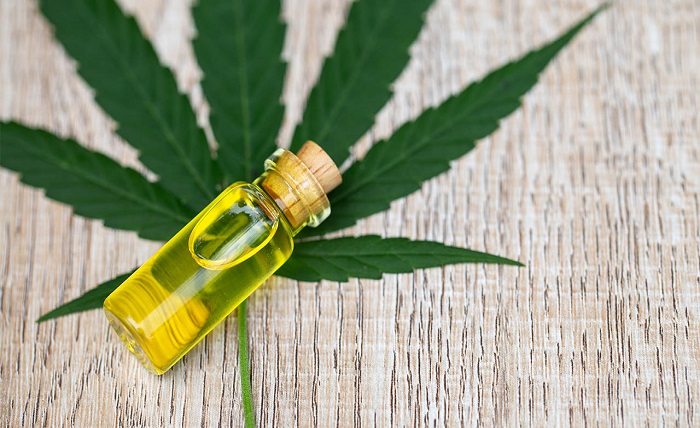
Cannabidiol (CBD) is a non-psychoactive compound derived from the cannabis plant that has been gaining widespread popularity for its potential health benefits. CBD is marketed as a remedy for a variety of conditions, ranging from chronic pain to anxiety and sleep disorders. However, as with any supplement or treatment, it is important to understand its safety profile, potential side effects, and risks.
What is CBD?
CBD is one of over 100 cannabinoids found in the cannabis plant. Unlike its more famous cousin, tetrahydrocannabinol (THC), CBD does not produce a “high” or intoxicating effect. This makes it appealing for individuals seeking therapeutic benefits without the mind-altering effects typically associated with cannabis. CBD is available in various forms, including oils, tinctures, capsules, edibles, and topical creams, which are often sold in reputable CBD stores.
The growing interest in CBD has led to a surge in its availability, with many people turning to local or online CBD stores for products. However, with this increase in popularity, it’s essential to be aware of potential side effects and the risks involved in using CBD, especially if it’s being taken alongside other medications or treatments.
Potential Health Benefits of CBD
CBD has been studied for its potential to alleviate a range of health issues. Some of the most common uses of CBD include:
- Pain Relief: Research suggests that CBD may help reduce chronic pain by affecting endocannabinoid receptor activity, reducing inflammation, and interacting with neurotransmitters.
- Anxiety and Depression: Studies have shown that CBD might be effective in reducing anxiety and symptoms of depression, especially in individuals with social anxiety or generalized anxiety disorder.
- Improved Sleep: CBD is also believed to improve sleep quality and duration by addressing factors that contribute to poor sleep, such as anxiety or pain.
- Neuroprotective Properties: Preliminary studies indicate that CBD may offer protection for the brain, making it a potential treatment for neurological conditions like epilepsy, Parkinson’s disease, and Alzheimer’s disease.
While these potential benefits are promising, it’s crucial to remember that CBD’s long-term effects and effectiveness vary from person to person. Consulting with a healthcare provider before using CBD is important, particularly if you have underlying health conditions.
Side Effects of CBD
Although CBD is generally considered safe for most people, it can cause side effects in some individuals. These side effects are typically mild, but they can include:
- Drowsiness: Some users report feeling drowsy or fatigued after taking CBD, especially when used in higher doses. This effect may be beneficial for people using CBD to manage insomnia, but it may be undesirable for those needing to remain alert during the day.
- Dry Mouth: One of the most common side effects of CBD is dry mouth, which is sometimes referred to as “cottonmouth.” This occurs because CBD can decrease saliva production. Drinking water or chewing gum may help alleviate this side effect.
- Changes in Appetite: While some people report an increase in appetite, others may experience a loss of appetite after using CBD. The effects on appetite seem to vary between individuals.
- Diarrhea: Some users may experience gastrointestinal issues, including diarrhea. This side effect is more common in higher doses and may be a result of the CBD oil or other ingredients used in the product.
- Fatigue and Dizziness: In some cases, people using CBD may feel lightheaded or experience fatigue. If this happens, it’s important to stop using CBD and consult a healthcare provider.
- Changes in Mood: While rare, some users may experience changes in mood, such as irritability or agitation, when using CBD.
Risks of CBD Use
While CBD is considered safe for most people, there are certain risks that should be considered, particularly if you are using it in conjunction with other medications or treatments.
- Drug Interactions: CBD can interact with certain medications, particularly those metabolized by the liver. It may affect the enzymes that break down drugs in the body, potentially leading to increased levels of these medications in the bloodstream. This could increase the risk of side effects or overdose. Some medications that may interact with CBD include blood thinners like warfarin, anti-seizure drugs, and certain antidepressants.
- Quality Control Issues: One of the biggest concerns surrounding CBD products is the lack of regulation in the industry. Not all CBD products are created equal, and some may contain contaminants like heavy metals, pesticides, or other harmful substances. Shopping at a reputable CBD store that provides third-party lab results for their products can help mitigate this risk.
- Lack of FDA Approval: Currently, the U.S. Food and Drug Administration (FDA) has not approved CBD as a treatment for most medical conditions, although it has approved Epidiolex, a CBD-based drug for epilepsy. Without FDA approval, there is limited oversight regarding the safety, dosage, and purity of CBD products. Consumers should be cautious when purchasing CBD from stores that don’t provide reliable information about the product’s quality and sourcing.
- Pregnancy and Breastfeeding: The safety of CBD during pregnancy or while breastfeeding is not well understood. It is recommended that pregnant or breastfeeding individuals avoid using CBD unless prescribed by a healthcare provider.
Is CBD Legal?
The legal status of CBD varies depending on where you live. In the United States, CBD derived from hemp containing less than 0.3% THC is legal at the federal level. However, some states have stricter regulations regarding its use, so it’s important to check local laws before purchasing CBD products.
How to Choose a Safe CBD Product
If you’re considering using CBD, choosing a reputable CBD store is essential. Here are a few tips to help you select a safe and effective product:
- Look for Third-Party Lab Testing: A trustworthy CBD store will provide third-party lab test results to confirm the potency and purity of their products. These results should show that the product contains the amount of CBD claimed on the label and is free from harmful contaminants.
- Check the Source of CBD: Ensure that the CBD in the product is derived from hemp grown in a safe, sustainable manner. Organic farming practices are a good sign that the product is free from pesticides and other chemicals.
- Read Reviews and Research: Customer reviews can provide valuable insights into the effectiveness and safety of a CBD product. Research the brand to ensure they have a good reputation and a commitment to quality.
- Consult Your Doctor: Before using CBD, especially if you are taking other medications or have health concerns, consult with your healthcare provider to ensure that CBD is safe for you.
Conclusion
CBD holds promise for a variety of health conditions, but it’s important to approach it with a clear understanding of the potential side effects and risks. While most people tolerate CBD well, others may experience adverse effects, and CBD can interact with certain medications. Always purchase CBD from a reputable store, check for third-party lab testing, and consult with your doctor before incorporating CBD into your wellness routine. By taking these precautions, you can help ensure that your experience with CBD is safe and beneficial.